
 (+98) 3153540424
 info@atrinfood.com

The Origins and Production
Produced by simmering fresh, sun-ripened figs until their juices concentrate into a dense syrup, authentic fig syrup contains no added sugar or preservatives. This slow reduction method preserves the natural flavors and health benefits of figs while creating a silky, pourable consistency with a deep caramel-brown hue.
Historically, fig syrup has been used as a natural sweetener, medicinal remedy, and daily energy booster, reflecting ancient culinary traditions passed down through generations.

Health Benefits of Fig Syrup:
1. Rich in Dietary Fiber
Fig syrup retains the natural soluble fibers of figs, supporting digestive health, promoting satiety, and contributing to balanced blood sugar levels when consumed moderately.
2. High in Essential Minerals
Figs are naturally rich in potassium, calcium, magnesium, and iron. These minerals support bone health, cardiovascular function, and blood health, making fig syrup a nourishing alternative to refined sweeteners.
3. Natural Laxative Effect
Traditionally, fig syrup has been used to promote digestive regularity and relieve mild constipation, due to its fiber and gentle natural laxative properties.
4. Antioxidant Content
Fig syrup contains polyphenols and antioxidants that combat oxidative stress, supporting cellular health and healthy aging.
5. Energy and Immunity Booster
As a concentrated natural source of sugars, minerals, and antioxidants, fig syrup provides a quick energy boost while supporting immune system resilience.
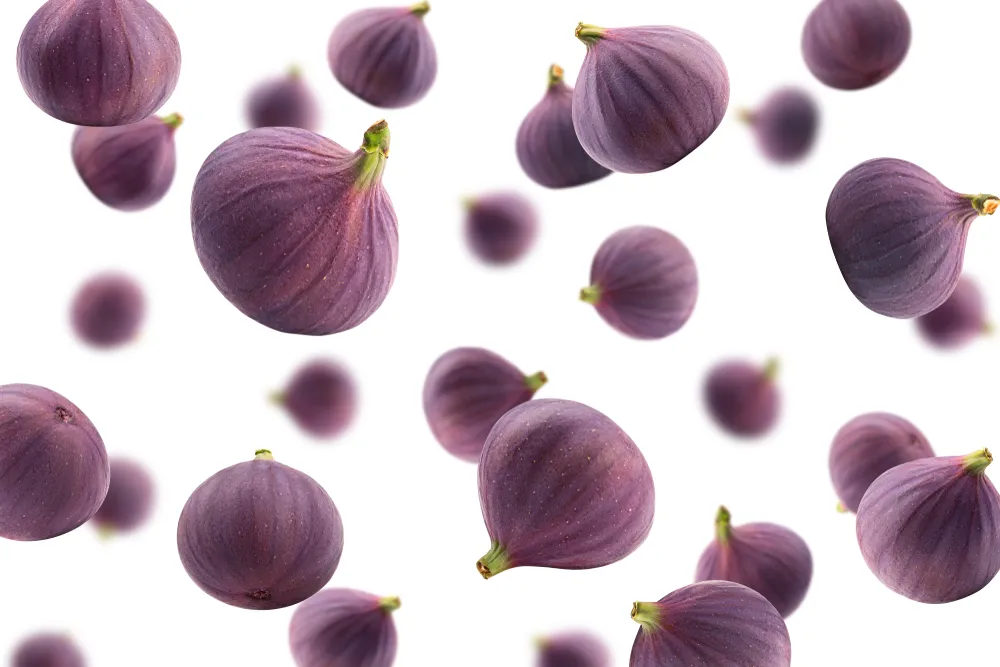
Fig Syrup: Technical and Nutritional Insights
Fig syrup is emerging as a premier choice for formulations requiring a clean-label natural sweetener. This comprehensive analysis evaluates its technical properties, manufacturing standards, and biochemical profile for industrial and commercial applications.
Technical Specifications and Manufacturing Standards
The commercial production of premium fig syrup demands strict quality control to preserve the bioactive integrity of the Ficus carica fruit. The process begins by selecting high-quality figs, which are then extracted using thermal vacuum concentration. This method protects the raw materials from intense thermal degradation, preserving both flavor and essential nutrients.
Industrial producers prioritize sourcing organic fig syrup to eliminate potential pesticide residues and meet international clean-label certifications. This specialized extraction process results in a highly viscous, self-preserving fluid matrix characterized by a soluble solids content between 65° and 70° Brix.
[Raw Fresh or Dried Figs] ➔ [Water Extraction] ➔ [Filtration] ➔ [Thermal Vacuum Evaporation (<60°C)] ➔ [Standardized Fig Syrup (65-70° Brix)]
Maintaining exact temperature controls prevents the caramelization of monosaccharides, which can produce off-flavors and elevate hydroxymethylfurfural (HMF) levels. The final product is a completely unrefined liquid sweetener that retains its natural osmotic stability, ensuring a long shelf life without the need for artificial preservatives.
Nutritional Value and Chemical Composition
From a nutritional standpoint, unrefined fig syrup offers far more than simple carbohydrates. It contains a rich blend of essential minerals, dietary fibers, and protective secondary metabolites that are completely absent in refined sugars.
Standard chemical assays show that premium fig syrup contains significant amounts of bioavailable potassium, magnesium, calcium, and iron. Potassium acts as a vital intracellular electrolyte that supports healthy cardiovascular function. Magnesium serves as an essential cofactor for over 300 enzyme systems in the human body.
Biochemical Profile of Fig Syrup:
Research confirms that fig syrup contains approximately 3.92 mg of gallic acid equivalents per gram of total phenolic compounds, alongside 0.35 mg of catechin equivalents per gram of total flavonoids.
These high-performance polyphenols provide excellent antioxidant properties. They work by neutralizing free radicals and lowering overall cellular oxidative stress. In addition, the natural presence of soluble dietary fibers like pectin helps support healthy gastrointestinal function and steady digestive transit.
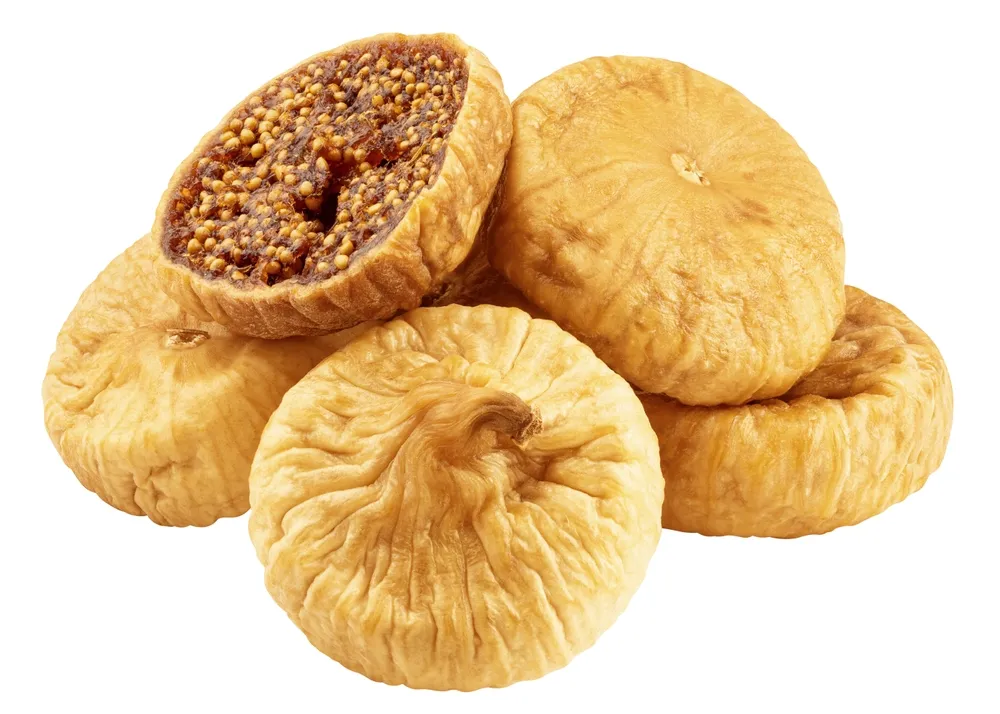
Glycemic Dynamics and Blood Glucose Impact
For health-conscious consumers and modern food scientists, understanding how ingredients affect blood glucose is absolutely critical. While traditional liquid sweeteners trigger rapid spikes in blood sugar, authentic fig syrup exhibits a more balanced metabolic response.
Fresh figs naturally possess a low glycemic index (GI) ranging between 35 and 51. When concentrated into a pure syrup, the final product lands within a moderate glycemic range, outperforming highly refined alternatives.
Blood Glucose Response:
Refined Sugar: 📈 [Rapid, Steep Spike & Crash]
Fig Syrup: 📊 [Gentle, Sustained Curve]
This steady metabolic performance is driven by its unique carbohydrate balance and native plant biochemistry. The primary sugars in fig syrup are fructose and glucose. Fructose requires initial processing by the liver, which prevents sudden, sharp increases in systemic blood glucose.
Furthermore, clinical studies reveal that figs are one of nature's richest sources of abscisic acid (ABA). This critical plant hormone enhances glucose tolerance by accelerating glucose uptake into skeletal muscles without overstimulating insulin production. As a result, fig syrup provides steady, sustained energy delivery, making it an excellent choice for functional foods designed for metabolic health.
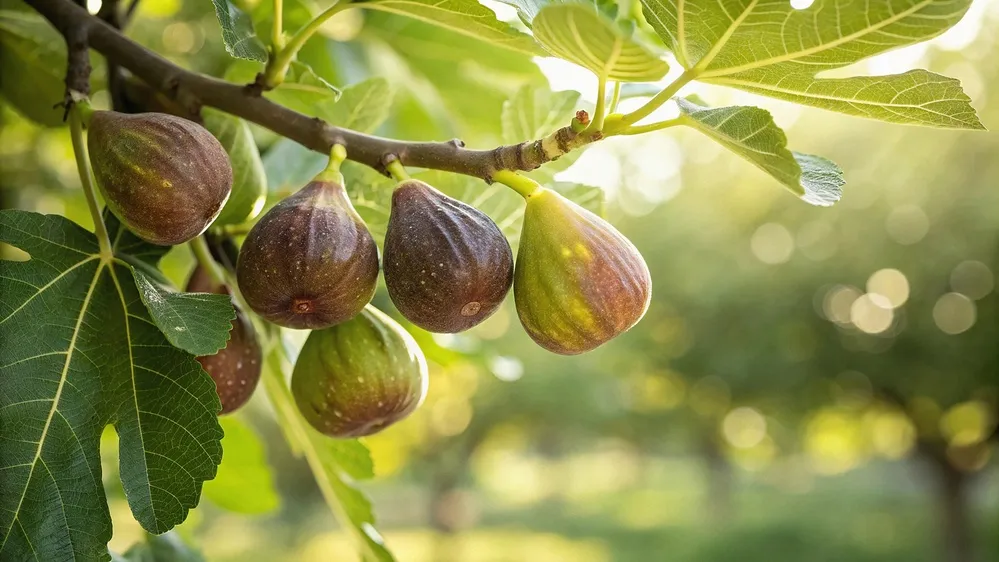
Comparative Matrix: Sweetener Analysis
The table below provides an objective analysis comparing 100 grams of commercial-grade fig syrup against alternative sweeteners:
Sweetener Type | Glycemic Index (GI) | Primary Carbohydrate Type | Key Nutritional Advantage |
Organic Fig Syrup | 50 – 55 (Low to Medium) | Fructose, Glucose | Abscisic acid, polyphenols, potassium |
Natural Honey | 58 – 62 (Medium) | Fructose, Glucose | Trace enzymes, organic acids |
Maple Syrup | 54 – 56 (Medium) | Sucrose | Manganese, zinc |
Refined White Sugar | 65 – 70 (High) | Sucrose | Pure calories, zero micro-nutrients |
Industrial Applications in Clean-Label Formulations
The unique physical and chemical properties of fig syrup make it highly versatile for food manufacturing and production. Its natural humectant properties help retain moisture, which extends the shelf life of baked goods, nutrition bars, and plant-based foods.
When used as a natural sweetener, fig syrup adds deep, complex flavor notes along with natural color. This allows brands to remove synthetic dyes and artificial flavors from their ingredient lists. Its excellent solubility also ensures smooth integration into premium beverages, dairy alternatives, and savory sauces.
Conclusion and Strategic Next Steps
Fig syrup stands out as a high-performance ingredient that successfully bridges the gap between functional nutrition and clean-label appeal. Its balanced nutritional value, moderate glycemic impact, and rich antioxidant content make it a superior alternative to refined sugars.
For businesses looking to upgrade their product formulations or optimize supply chains, incorporating premium fig syrup presents a clear competitive advantage.
To review certified technical data sheets or secure bulk organic sourcing for your manufacturing needs, please contact our ingredient solutions team.
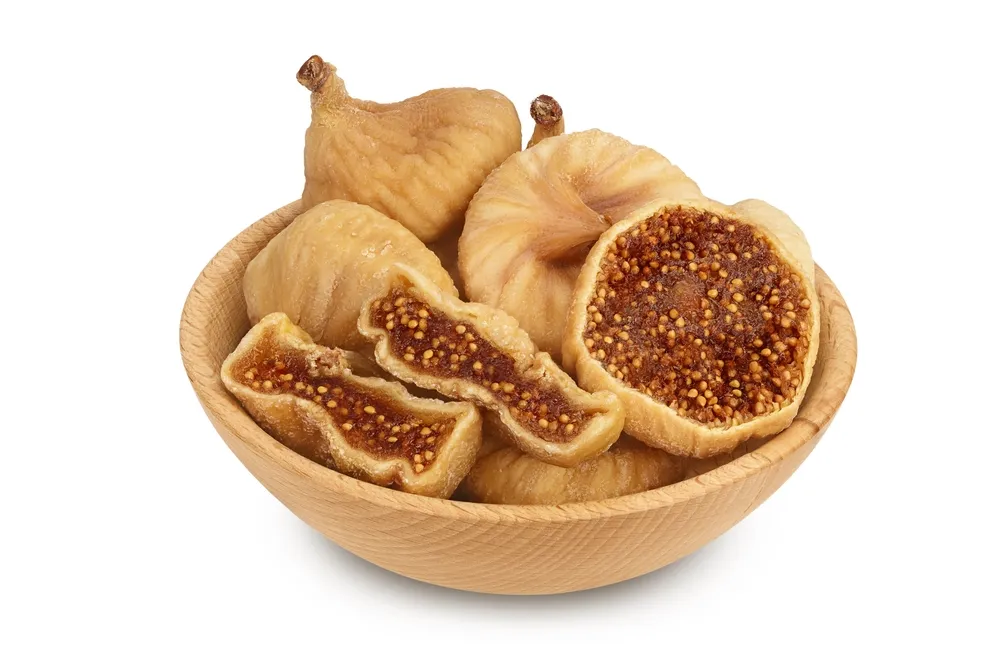
Uses in Cooking
1. Breakfast and Dairy Pairings
Fig syrup is traditionally drizzled over yogurt, fresh cream, cheeses, bread, or tahini, creating a nourishing, flavorful breakfast or snack with natural sweetness and nutritional benefits.
2. Baking and Desserts
In baking, fig syrup serves as a natural sweetener, moisture enhancer, and flavor booster, adding depth to cakes, cookies, tarts, pastries, and traditional sweets. Its molasses-like texture also makes it ideal for fig-based dessert sauces.
3. Confectionery and Energy Snacks
Combined with nuts and sesame paste, fig syrup creates traditional energy-dense snacks and confectioneries, ideal for providing quick nourishment during the day.
4. Beverages
Fig syrup can be mixed with warm water, milk, or herbal teas to create naturally sweet, nutrient-rich beverages that are both soothing and energizing.
5. Salad Dressings and Glazes
Its rich, mellow sweetness enhances salad dressings or glazes for roasted vegetables, offering an innovative fusion of sweet and savory flavors in modern cuisine.



Conclusion
Fig syrup is not only a naturally sweet culinary ingredient but also a time-honored health tonic, connecting modern consumers to ancient traditions of nourishment and wellness. Its versatility in sweet and savory dishes, along with its rich nutritional profile, makes fig syrup an essential addition to kitchens seeking authentic flavors with functional benefits.
Whether enjoyed drizzled over breakfast dishes, incorporated into energizing snacks, or used to create innovative desserts and beverages, fig syrup remains a culinary treasure that celebrates the sweetness of nature in its purest form.